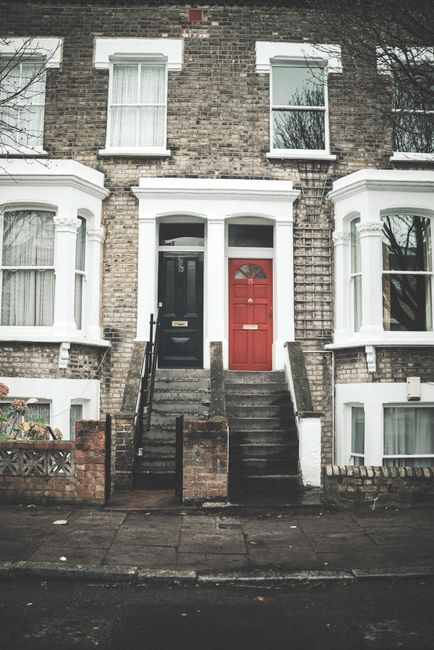
Real removals job moving a London Victorian home without damage: a practical London guide
Moving a Victorian home in London is a very different job from shifting a standard modern flat. Narrow staircases, awkward corners, original plaster, sash windows, ornate fireplaces, polished floorboards, and heavy furniture all raise the stakes. A real removals job moving a London Victorian home without damage needs planning, patience, and a removals team that understands how old houses behave. One careless turn with a wardrobe or a rushed carry on a tight landing can leave a dent, scrape, or cracked edge you really did not need.
This guide breaks down how the job works, what protects the house, where damage usually happens, and how to prepare so the move feels controlled rather than chaotic. If you are comparing options, it also helps to understand the difference between a full house removal service and simpler moving support like man and van or removal services. Truth be told, the right choice depends less on the label and more on the access, the furniture, and the level of care required.
Why Real removals job moving a London Victorian home without damage Matters
Victorian homes have character, and that character can be fragile. They were built long before modern furniture dimensions, modular sofas, or lift-assisted moving. You often get steep stairs, awkward bends, shallow hallways, and fragile finishes that show every knock. A removal carried out casually can cause damage in seconds: chipped skirting boards, scuffed paintwork, cracked stair spindles, broken glass, or worse, a scratched bannister that has survived a century only to meet a sofa arm on moving day.
The stakes are not only cosmetic. Damage can delay handover, create repair costs, and add stress to an already busy day. If you are selling or renting out the property, avoiding marks can also protect the final condition of the home. In London, where access is often tight and parking can be frustratingly limited, every part of the move has to work a little harder. Let's face it, a beautiful old home does not forgive sloppy handling.
Damage-free removals matter because they protect three things at once:
- The property - original features, walls, woodwork, flooring, and doors.
- Your belongings - mirrors, wardrobes, antiques, framed art, and electronics.
- Your time and money - fewer repairs, fewer delays, fewer surprises.
Where older homes are involved, good removals planning is not a luxury. It is the job.
How Real removals job moving a London Victorian home without damage Works
A careful Victorian house move starts long before the van arrives. The best removals teams treat the property like a route map: measure the furniture, check the stair angles, note tight corners, identify fragile surfaces, and plan who carries what. Then they decide what should be dismantled, wrapped, or loaded first. Simple enough in theory, but it takes discipline in the real world.
In practice, the job usually follows a sequence like this:
- Pre-move survey or review - access, furniture size, parking, and fragile items are assessed.
- Packing and protection - boxes are labelled, furniture is wrapped, and floors or bannisters are protected where needed.
- Item preparation - beds, tables, mirrors, and other bulky items may be dismantled.
- Load planning - heavy items go first, delicate pieces are isolated, and the van is packed to reduce movement.
- Careful navigation - movers work slowly through stairs, landings, and doorframes, especially on older staircases.
- Unloading and placement - items are taken to the right room and positioned with minimal dragging.
That sounds straightforward, but old houses have a way of introducing surprises. A wardrobe that clears the hallway on paper may still need to be angled, rotated, or partially dismantled on the spot. An experienced crew will not panic. They adapt calmly, which is half the battle.
If you need added flexibility, a removal van can be useful for tighter London streets, while larger or more complex loads may suit a moving truck. The right vehicle matters, but only if the loading plan is equally good.
Key Benefits and Practical Advantages
A well-run move in a Victorian home does more than prevent damage. It makes the whole day feel manageable. That matters more than people think. When the hallway is protected, the staircase is clear, and every box has a destination, the move stops feeling like a fight with the building.
Here are the main advantages:
- Fewer repairs after moving - no last-minute decorating bills from avoidable scrapes.
- Better protection for original features - especially plaster, timber, cornices, and floorboards.
- Less breakage - careful wrapping and loading reduce the chance of damage to furniture and glass.
- Smoother access - planning around steps, narrow passages, and parking saves time.
- Lower stress - when everyone knows the plan, there is less rushing and fewer mistakes.
- Cleaner handover - especially helpful if the property is being sold, let, or inspected.
There is also a practical financial side. A slightly more considered removals service can be cheaper overall than a bargain option that causes repairs, delays, or replacement costs. That is not a dramatic statement. It is just how moving tends to work in the real world.
For many London homeowners, the move also pairs well with packing and boxes support or packing and unpacking services, especially if the schedule is tight. One good packing decision can save a lot of lifting later.
Who This Is For and When It Makes Sense
This kind of move is for anyone dealing with a Victorian terrace, semi-detached home, conversion, or period townhouse in London where the building itself creates risk. It is especially sensible if you have one or more of the following:
- tight staircases or curved stairs
- heavy furniture that will not easily turn in the hallway
- original woodwork, plaster, or flooring to protect
- valuable or sentimental pieces you do not want scratched
- limited parking or loading access outside the property
- a move-out deadline with little room for delay
If you are moving from a house to another house, a dedicated house removalists team is often the closest match. If the move is smaller, perhaps a couple of rooms or a lighter load, man with a van can make sense too, provided the access is genuinely manageable. For smaller household jobs or a mixed load, a flexible man with van setup can be practical. Not every move needs a large crew, but not every Victorian house can be treated like a simple flat move either.
And if you are comparing broader household moving options, the page on home moves is useful for understanding how full-house support typically differs from lighter services.
Step-by-Step Guidance
If you want the move to stay damage-free, the process has to be deliberate from start to finish. Below is a practical version of how we would approach it.
1. Walk the property first
Start with the obvious stuff, then look again. Measure the widest furniture pieces. Check the narrowest staircase point. Notice radiators, light fittings, door stops, and anything that juts out. A quick scan is never enough in an older house. You really need to picture the route item by item.
2. Decide what should be dismantled
Large wardrobes, beds, dining tables, and some shelving units should often be taken apart. This is where many people underestimate the job. A piece that is technically movable is not always sensibly movable. If you try to carry it whole just to save 20 minutes, you may pay for it in damage and frustration. Slightly annoying, but true.
3. Protect the building before lifting starts
Use floor runners, corner protection, blankets, and wrapping where appropriate. Protect the choke points: the bottom of the stairs, the narrow landing, doorway edges, and any polished timber that will take a beating if the team turns too sharply. Good protection is not overkill. It is basic professionalism.
4. Pack by room and by fragility
Label clearly and keep fragile items separate from dense household boxes. A box of books can crush softer contents if the load is mixed carelessly. Likewise, mirror boxes and artwork should travel upright and be secured well. If you are packing yourself, use sturdy boxes and do not overfill them. Your back will thank you too, later on.
5. Load the van strategically
Heavy items go in first, then medium items, then soft buffers and delicate pieces. The goal is to stop items sliding, leaning, or rubbing together in transit. In London, short journeys can still cause damage if the load is not packed properly. The road surface does the rest.
6. Move slowly through the property
This is where patience pays off. A mover should pause at corners, check the angle, and communicate before turning. If two people are carrying a bulky item, they need to talk constantly, even if it sounds repetitive. "Stop," "lift," "turn," and "clear" are unglamorous words. Very useful ones though.
7. Settle the items carefully at the new home
Once you arrive, place items in the correct rooms before unpacking. Avoid dragging furniture across floors. If a piece feels awkward, put it down and rethink the angle. No one wins a prize for forcing it through. That is how scratches happen.
Expert Tips for Better Results
Some of the best advice is deceptively simple. It is the small decisions that keep a Victorian move safe.
- Use the staircase as a route, not an obstacle. That means measuring the turn, not just the straight flight.
- Take photographs of fragile features before the move. It helps with accountability and gives you a clear before-and-after reference.
- Keep children and pets away from the carrying path. One sudden movement can change the whole rhythm of the day.
- Protect floors early. Do not wait until the first item has already scuffed a board.
- Keep essentials separate. Tea, kettle, chargers, documents, medication, and a change of clothes should stay easy to reach.
- Ask for a clear loading order. If the movers are organised, the day feels calmer straight away.
One small but important tip: if an item feels too heavy for one person to control safely, it probably is. That is not a challenge. It is a warning.
For more specialist or mixed inventory moves, some customers also use furniture removals support, especially when large individual items are the main risk rather than the whole house load.
Common Mistakes to Avoid
Most damage during house removals does not come from one huge accident. It comes from a chain of small shortcuts. Here are the ones we see most often.
- Not measuring the route properly - the classic mistake. A few centimetres can matter.
- Leaving furniture assembled when it should be dismantled - especially wardrobes and bed frames.
- Using weak boxes - they sag, split, and make carrying awkward.
- Packing too quickly - rushed boxes tend to be badly balanced and poorly labelled.
- Forcing items around corners - this is where walls and banisters usually suffer.
- Ignoring parking and loading access - a bad parking setup turns a manageable move into a slog.
- Choosing the van size on guesswork - too small means more trips; too large can be harder to manoeuvre.
Another common issue is assuming that a "quick" move means a simple one. In a Victorian house, quick and careful do not always go together. You can have efficient, yes. But efficient still has to be measured.
Tools, Resources and Recommendations
You do not need a warehouse of gear, but you do need the right kit. The best removals teams usually arrive with sensible protection and loading tools that suit older homes.
| Tool or resource | Why it helps | Best used for |
|---|---|---|
| Furniture blankets | Reduces scuffs and absorbs knocks | Wardrobes, tables, wooden furniture |
| Floor protection | Helps prevent scratches on floorboards and tiles | Hallways, landings, high-traffic routes |
| Straps and ties | Stops movement inside the van | Large furniture and stacked loads |
| Labels and marker pens | Makes unpacking faster and safer | Boxing by room and priority |
| Dismantling tools | Allows awkward furniture to be broken down cleanly | Beds, tables, modular units |
| Storage options | Useful if completion dates do not line up | Delayed move-in or staged moves |
If your dates do not align perfectly, temporary storage can reduce pressure and allow the move to happen in stages. That can be especially helpful for renovation-heavy Victorian properties, where one part of the house may not be ready yet.
For cost planning and expectations, the site's pricing and quotes information is a sensible starting point. It is always better to understand what affects the total before the moving day arrives and everyone is already in motion.
Law, Compliance, Standards, or Best Practice
For a domestic move, the key point is not memorising legal jargon. It is making sure the job is handled responsibly and safely. Good removals practice in the UK usually means appropriate insurance, safe lifting methods, clear communication, and respect for the property being moved in and out of.
It is also wise to choose a company that can explain how it handles goods in transit, property protection, and health and safety. Where relevant, you should look for clear insurance information and safety procedures. A provider that is open about these things gives you a better sense of how it works under pressure. That openness matters more than fancy wording.
For this reason, it helps to review pages such as insurance and safety and health and safety policy before you book. If you care about the wider business values behind the move, about us and terms and conditions can also clarify how the service is run.
Best practice also includes clear communication on arrival, respectful handling of the property, and sensible loading discipline. None of that is glamorous. All of it is useful.
Options, Methods, or Comparison Table
Not every Victorian home move needs the same level of support. The best option depends on the size of the property, the furniture, and the access. Here is a simple comparison.
| Option | Best for | Strengths | Limitations |
|---|---|---|---|
| Full house removals | Whole-property moves with mixed furniture and boxes | Most comprehensive, better for larger Victorian homes | May cost more than lighter options |
| Man and van | Smaller loads or shorter moves | Flexible, often simpler for light household jobs | May not suit heavy or fragile access-heavy moves |
| Removal van with careful planning | Medium-sized domestic moves | Good balance of space and manoeuvrability | Still needs proper packing and handling |
| Storage plus staged move | When move-in dates or renovation work do not align | Reduces time pressure and access stress | Requires extra coordination |
If you are moving a busy household, the broader removals page can help you compare what a more complete service looks like. For some properties, especially those with awkward stairs and larger loads, that fuller support is simply the safer call.
Case Study or Real-World Example
Imagine a typical London Victorian terrace with two upstairs bedrooms, a narrow hallway, original banisters, and a front room full of heavy furniture. The customer wants to avoid marking the floorboards because they are being sanded and polished later. The stair bend is tight enough that a double wardrobe will not move in one piece. Not impossible. Just awkward.
In that sort of job, the removals team would usually do a few things differently from a standard move:
- measure the wardrobe and the stair turn before lifting
- dismantle the wardrobe into safer sections
- cover the stair rail and landing corners
- remove fragile wall items before any carrying starts
- load the van in a way that stops the wardrobe parts rubbing together
- place the furniture directly into the correct rooms at the new property
That is the whole point. The job is not just about moving items from A to B. It is about doing it with enough control that the house itself survives the process looking the same as before, only emptier. Maybe a little echoey, that strange moving-day echo. You know the one.
In many real moves, the difference between damage and no damage is not luck. It is preparation, a steady pace, and a crew that does not get cocky halfway through.
Practical Checklist
Use this checklist a few days before the move. It keeps the day moving, and it keeps the old house safer.
- Measure large furniture and key access points.
- Confirm whether any items need dismantling.
- Protect floors, bannisters, and corners where needed.
- Pack fragile items separately and label them clearly.
- Set aside valuables, documents, chargers, and essentials.
- Check parking and loading arrangements in advance.
- Decide which rooms items should go into at the new property.
- Keep pets and children away from moving routes on the day.
- Review insurance and safety information before booking.
- Have a basic plan for storage if dates do not line up.
Expert summary: The safest Victorian home moves are rarely the fastest ones on paper. They are the ones where the route is measured, fragile points are protected, and nobody tries to out-muscle the building. Calm wins. Every time, really.
Get a free quote today and see how much you can save.
Conclusion
A real removals job moving a London Victorian home without damage is about respect for the property as much as it is about shifting furniture. The house has history, and the move has risk. When you plan the route, prepare the furniture, protect the surfaces, and choose the right level of removals support, the entire day becomes much easier to live through.
The best outcome is not just that everything arrives safely. It is that the home still feels like itself afterwards, with no ugly reminders of the move left behind. That kind of finish is worth taking seriously. And honestly, a good move should leave you tired, maybe, but not defeated.
If you are ready to take the next step, look at the service options that match your property size and access needs, then ask for a clear quote and a sensible plan. The calmer the preparation, the smoother the day. Simple, but true.
Frequently Asked Questions
How do you move a Victorian house without damaging the stairs?
You measure the stair width and turns first, dismantle oversized furniture where needed, and protect the rail, corners, and landing before lifting starts. Slow, coordinated carrying is essential.
What is the biggest risk in a London Victorian home move?
The biggest risk is usually the combination of narrow access and fragile original features. One rushed turn on a staircase can cause damage to walls, bannisters, or the furniture itself.
Should I dismantle furniture before the removals team arrives?
If you are able to do it safely, some basic dismantling can help. But do not force anything apart. For larger or awkward items, it is often better to let the removals team handle it properly.
Is a man and van service enough for a Victorian house move?
Sometimes, yes, if the load is small and access is simple. For a full Victorian home, though, a more complete house removals service is often the safer choice.
How do I protect floorboards during the move?
Use floor protection along the main route, especially in hallways, at the bottom of stairs, and in any room where furniture will be turned. Protection should be in place before heavy items start moving.
What kind of boxes should I use?
Use sturdy boxes that can handle the weight of what is inside. Avoid overfilling them, and keep fragile items boxed separately and clearly labelled.
Can storage help if my moving dates do not line up?
Yes. Short-term storage can reduce pressure if the new home is not ready or if you need to move in stages. It can make a complicated situation much easier to manage.
How far in advance should I book a removals company?
As early as you can, especially for a London Victorian property where access, parking, and larger furniture may need more planning than average.
Do removals companies usually provide insurance?
Many do, but the type and level vary. Always check the insurance and safety information and read the terms so you know what is covered before moving day.
What should I do on the morning of the move?
Keep pathways clear, make sure essentials are packed separately, unlock access points, and do one final check of fragile surfaces and furniture routes. Then let the crew work methodically.
How can I make the move less stressful?
Plan the order of work, label your boxes well, and choose a removals service that understands older London homes. A little structure goes a long way when the house itself is part of the challenge.
Why are Victorian homes harder to move in than newer properties?
They often have narrower stairs, tighter hallways, more awkward angles, and delicate original details. Those features are lovely to live with, but they do make removals more delicate.