Packing and Boxes in S: Smart Solutions for Moving, Storage, and Everyday Organization
Why Packing and Boxes in S Matter for Homes and Businesses

When people think about moving, storing, or organizing belongings, Packing and Boxes in S often become the starting point for a smooth process. The right box does more than hold items; it protects valuables, saves space, simplifies transport, and helps create order from chaos. Whether you are relocating a home, preparing a seasonal inventory, or managing retail shipments, choosing the proper packing materials can make a major difference.
Many people underestimate how much planning goes into packing and boxes in S. A small mismatch between item size and box strength can lead to damaged goods, wasted space, or unnecessary costs. On the other hand, well-chosen packaging makes handling easier and gives confidence that items will arrive safely. For both personal and commercial use, packaging is an essential part of efficiency.
From sturdy cardboard cartons to specialized moving boxes, the options available today are designed for different needs. Some boxes are made for fragile items, while others are perfect for books, clothing, kitchenware, or storage. Packing and boxes in S are also increasingly important for e-commerce businesses, where presentation and protection both influence customer satisfaction.
Understanding the Role of Packing and Boxes in S

The purpose of packing and boxes in S goes beyond simply enclosing objects. Good packaging helps prevent impact damage, moisture exposure, dust buildup, and item shifting during transport. It also makes labeling, stacking, and inventory management much easier. In short, boxes are not just containers; they are part of a system that supports organization and protection.
Different materials play different roles in the packing process. Corrugated cardboard is a popular choice because it combines light weight with durability. Plastic storage bins offer long-term reuse and moisture resistance. Specialty moving boxes can feature reinforced corners, dividers, or double walls. These features are especially useful when packing breakables or valuable items.
Choosing packing and boxes in S also affects efficiency. The right size box minimizes filler material and reduces movement inside the carton. That means better protection and lower shipping weight. For businesses, this can improve logistics costs, while households benefit from cleaner, faster packing sessions.
Common Types of Packing Boxes
There are many types of boxes available, each suited to a specific purpose:
- Standard cartons for general household packing
- Book boxes for heavy, compact items
- Wardrobe boxes for hanging clothes
- Dish packs for fragile kitchenware
- Archive boxes for documents and office files
- Retail shipping boxes for product distribution
Each box type supports a different packing need. Using the right one helps create better results and reduces risk during storage or transit.
How to Choose the Right Packing and Boxes in S

Selecting the best packing and boxes in S starts with knowing what you are packing. Heavy items need smaller, stronger boxes to prevent breakage at the bottom. Light items can be placed in larger cartons, but they should still be packed snugly to avoid movement. Shape also matters, especially for oddly shaped or fragile objects.
Another important factor is box strength. The corrugation level, wall thickness, and material quality determine how much load a box can handle. For example, double-wall boxes are ideal for heavier or more delicate items, while single-wall options work well for lightweight contents. A box that is too weak may collapse, while one that is too large may invite shifting and damage.
It is also smart to think about the final destination. If boxes will be stacked in a storage unit, they need to maintain shape over time. If they are being shipped, they need to withstand handling, vibration, and pressure. Packing and boxes in S should be chosen based on the environment as well as the contents.
Key Factors to Compare
- Size: Match the box to the contents for efficient packing.
- Strength: Choose wall thickness based on weight and fragility.
- Purpose: Moving, shipping, storage, or retail presentation.
- Reusability: Consider whether boxes will be reused or recycled.
- Cost: Balance affordability with durability.
A little extra planning upfront can save time, money, and stress later.
Packing Techniques That Improve Safety and Organization
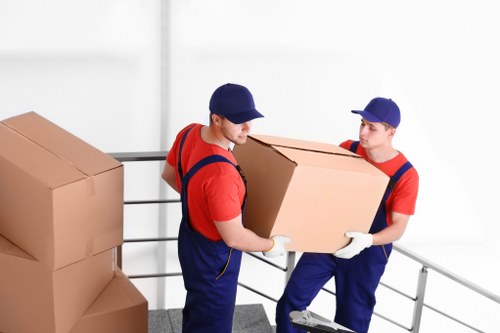
The way you pack items into boxes is just as important as the box itself. Even the strongest carton can fail if contents are loose, unevenly distributed, or poorly cushioned. Effective packing and boxes in S involve smart layering, correct weight distribution, and the use of suitable protective materials.
Wrapping fragile items individually is one of the most important steps. Bubble wrap, packing paper, foam sleeves, and corrugated inserts all help reduce shock and friction. For dishes, glasses, and décor items, dividing spaces within the box prevents items from colliding with one another.
Weight management is another essential technique. Heavy items should go at the bottom of the box, with lighter items placed above them if necessary. Boxes should never be overfilled, because this can make them difficult to close securely. At the same time, underfilled boxes can collapse when stacked. The goal is to create a stable, balanced package.
Practical Packing Tips
- Use clean, dry boxes to avoid weakening the material.
- Fill empty spaces with kraft paper, air pillows, or foam.
- Seal boxes with strong packaging tape on all seams.
- Label each box clearly with contents and handling instructions.
- Mark fragile boxes so movers and handlers can take extra care.
These methods make packing and boxes in S more reliable while helping you stay organized during transit or storage.
Packing and Boxes in S for Moving Homes and Offices

Home and office moves create some of the greatest demand for packing and boxes in S. Relocation involves many different item categories, from books and clothing to electronics, documents, and furniture accessories. The challenge is not only protecting everything but also keeping the process efficient enough to meet deadlines.
Residential moving often requires a combination of box sizes. Smaller boxes are ideal for dense items such as books, tools, and canned goods. Medium and large boxes work well for linens, kitchen supplies, and lightweight household goods. Office moves may require archive cartons, computer-safe packaging, and file boxes to keep records in order during the transition.
One of the smartest strategies is to pack room by room. This method makes unloading easier and helps you find essentials quickly after the move. It also improves labeling accuracy. Packing and boxes in S become much easier to manage when every box is connected to a specific area, such as the kitchen, bedroom, or office storage room.
Moving Day Essentials
- Labels and markers for quick identification
- Strong tape and dispensers for sealing
- Protective wrap for fragile contents
- Utility knives or box cutters for unpacking
- Inventory lists for tracking packed items
With the right packing approach, moving becomes less stressful and more predictable.
Storage Benefits of Packing and Boxes in S
Storage is another area where packing and boxes in S prove their value. Whether you are organizing a garage, attic, basement, closet, or warehouse, good boxes help maintain order and protect possessions over time. The right packaging keeps dust, pests, and moisture away from stored items while making future access easier.
For long-term storage, durability matters more than convenience alone. Boxes should be able to hold their shape even when stacked. If items will remain stored for months or years, consider moisture-resistant bins or reinforced cartons. Clothing, holiday décor, paperwork, and memorabilia are all common candidates for organized box storage.
Clear labeling also matters in storage environments. Labels help you locate contents quickly without opening every container. For business storage, this can improve inventory control and reduce time spent searching. For home storage, it simply makes life easier. In many cases, the success of storage depends on the quality of the packing and boxes in S used at the start.
Storage Organization Ideas
- Group similar items together in the same box type.
- Place frequently used items near the front.
- Use color-coded labels for different categories.
- Store heavier boxes low and lighter boxes high.
- Keep an inventory sheet for seasonal or archived items.
These small habits can make storage systems far more efficient.
Choosing Reusable Boxes
Reusable boxes are a smart choice for households and businesses that need repeated packing cycles. Plastic containers, folding storage boxes, and heavy-duty cartons can all be reused if they remain in good condition. Reusability supports sustainability and can reduce long-term packaging costs. It is a practical option for anyone looking to improve the value of packing and boxes in S.
Packaging for Businesses, Retail, and E-Commerce
Modern businesses rely on packing and boxes in S for much more than moving. Packaging affects branding, shipping efficiency, product safety, and customer experience. In e-commerce, the box is often the first physical item a customer receives from the company, so its quality can shape the impression of the brand.
Retail and shipping operations need packaging that is both functional and consistent. Box sizes should align with the products being sold to avoid waste. Branded packaging, inserts, and protective fillers can also enhance presentation. For fragile products, specialty packaging is often essential to reduce returns and replacement costs.
Efficient packaging systems help businesses scale. When items are packed in standardized boxes, warehouses can sort, stack, and ship them faster. This improves workflow and lowers labor costs. The smart use of packing and boxes in S can therefore contribute directly to profitability and customer satisfaction.
Business Packaging Priorities
- Product safety during transit
- Consistent box sizing for warehouse efficiency
- Brand presentation and unboxing appeal
- Cost control through optimized material usage
- Eco-friendly materials for sustainability goals
When packaging is handled well, it supports both operations and reputation.
Sustainable Choices in Packing and Boxes in S
Sustainability is becoming a major consideration in packaging decisions. Many people now prefer boxes made from recycled materials or materials that can be recycled after use. This trend benefits the environment while still meeting the practical needs of moving, shipping, and storage.
Eco-friendly packing and boxes in S can include recycled cardboard, reusable plastic bins, biodegradable fillers, and paper-based tape. Businesses are especially interested in reducing waste because customers increasingly value responsible packaging. At home, sustainability can be as simple as reusing clean boxes or donating surplus packaging to someone else who needs it.
Choosing sustainable materials does not mean sacrificing quality. In fact, many eco-friendly packaging products are designed to be strong, attractive, and functional. The best solutions combine performance with responsible material use. A thoughtful approach to packing and boxes in S can support a cleaner, more efficient system for everyone.
Ways to Reduce Packaging Waste
- Reuse boxes when they are still structurally sound.
- Choose the smallest suitable box size.
- Avoid overusing filler materials.
- Select recyclable or compostable supplies when possible.
- Plan packing carefully to minimize damaged or discarded items.
These steps not only reduce waste but also encourage smarter purchasing habits.
How to Label, Seal, and Handle Boxes Correctly
Even the best packing and boxes in S can fall short if labels are unclear or seals are weak. Labeling provides critical information about contents, destination, and handling instructions. It also speeds up unpacking and inventory checks. A well-labeled box is easier to manage from the packing room to the final shelf.
Sealing is equally important. High-quality packaging tape should be used on the center seam and side seams of each box. For heavy boxes, reinforcing the bottom is a smart precaution. If items are valuable or fragile, extra tape and clear “fragile” markings can help reduce mistakes during handling.
Correct handling practices matter too. Boxes should be lifted from the bottom, not dragged across floors. Overstacking should be avoided, especially with soft or thin cartons. Whether the purpose is moving, shipping, or storage, careful handling extends the life of the packaging and protects the contents inside.
Labeling Best Practices
- Write contents clearly on more than one side
- Include destination room or storage zone
- Mark fragile, heavy, or upright-only boxes
- Use waterproof labels if needed
- Number boxes for easy tracking
These habits create smoother packing systems and better results overall.
Where Packing and Boxes in S Deliver the Most Value
The usefulness of packing and boxes in S spans across many different situations. Households use them for seasonal storage, decluttering, relocation, and organization. Offices use them for archiving, equipment transport, and supply management. Retailers and logistics providers depend on them daily for safe delivery and efficient operations.
What makes boxes so valuable is their versatility. A simple carton can protect books, organize decorations, hold office papers, or support shipping workflows. When combined with the right tape, labels, and protective fillers, boxes become part of an effective system that reduces stress and improves order.
Packing and boxes in S are also valuable because they save time. Instead of dealing with loose items, people can group, sort, and manage belongings in a controlled way. This improves productivity for businesses and makes life more manageable for families. If you are planning a move, improving storage, or streamlining shipping, the right packaging is worth the effort.
Final Considerations Before Choosing Boxes
- Match the box to the item weight and size
- Consider how long the items will be stored
- Think about moisture, temperature, and handling conditions
- Choose quality over convenience for fragile goods
- Look for reusable or recyclable options when possible
Book your service now if you need reliable support for packing, moving, or storage preparation, and contact us today to take the next step toward a more organized and protected setup.